


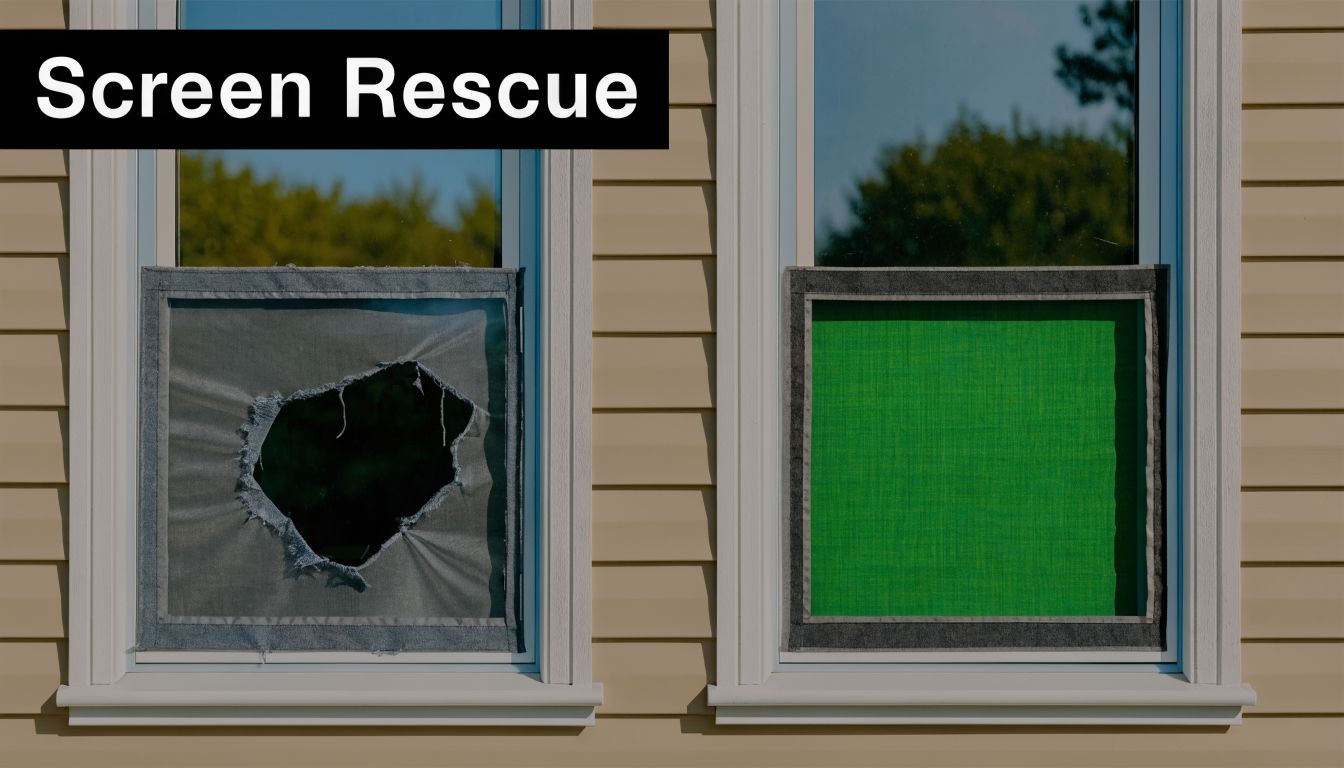

If you’re searching rescreening window screens near me, you’re probably dealing with the same Arizona pattern I see all the time. A screen looked fine last season, then the sun baked it until it turned brittle, a corner started pulling loose, and now bugs are getting in every evening. At the same time, the room behind that damaged screen feels hotter than it should.
In the Phoenix area, screen problems rarely stay cosmetic for long. Torn mesh lets insects in, loose corners create gaps, and worn sun screens stop doing the job homeowners counted on when temperatures climb. Many people put off the repair because the frame still looks usable, and that’s exactly why rescreening makes sense. Rescreening means keeping the existing frame if it’s still solid and replacing the mesh so the screen works properly again.
Tired of Torn Screens and High AC Bills
You crack a window after sunset to let out the day’s heat, and the screen that looked serviceable last month now has a split at the corner. By morning, the sill is dusty, a few bugs made it inside, and the room still feels warmer than it should.
That pattern is common across Phoenix. Arizona sun breaks down mesh fast, especially on west-facing windows and older sun screens that take direct exposure for hours. Once the material dries out and loses tension, the screen stops doing the job you installed it for in the first place.

What rescreening fixes
If the frame is still square and solid, rescreening is usually the smarter repair. The old mesh comes out, the frame gets inspected, the spline channel gets checked, and new material is installed at the proper tension so the screen fits and performs the way it should.
That trade-off matters. DIY patch kits can cover a small hole, but they do not solve brittle mesh, loose edges, warped fit, or failing sun screen fabric. Full replacement makes sense when the frame is bent or damaged. In many Arizona homes, though, the frame is fine and the mesh is what gave out first. That is the sweet spot for professional rescreening, especially when you want the work done quickly without wrestling with rollers, corners, and uneven tension on the garage floor.
A good rescreen also helps the window work like a screen should in Arizona. It keeps insects out, cuts down on dust intrusion around weak edges, and restores the shading effect homeowners rely on to reduce heat gain through exposed windows.
Why Arizona homeowners notice screen failure faster
Screen wear shows up sooner here because the climate is harder on every material attached to the outside of the house. Long UV exposure, monsoon dust, and high summer temperatures shorten the life of standard mesh. Sun screens take an even bigger beating because they are expected to block heat while sitting in direct sun day after day.
For a broader look at why screens matter in daily home comfort, this overview of the ultimate benefits of window screens is a useful companion read.
At Sparkle Tech, we see the same mistake over and over. A homeowner spends part of a weekend trying to patch one panel, then realizes the rest of the mesh is close behind. A same-day or same-week drop-off and pickup service solves the problem faster, with cleaner installation and better material choice for Arizona conditions.
A torn screen in Arizona usually means more than a cosmetic problem. It means more heat, more dust, more bugs, and less value from the windows you use every day.
Signs Your Window Screens Need Professional Attention
Not every failing screen has a giant hole in the middle. A lot of screens look “mostly fine” until you touch the mesh and it starts cracking at the edge, or you notice the screen panel rattling every time a breeze hits it.
That’s why homeowners searching for rescreening window screens near me shouldn’t just check for tears. They should check for early signs that the mesh is at the end of its useful life.

Brittleness, fading, and edge cracking
The Arizona sun dries out screen material over time. Mesh that once had some give starts feeling chalky or stiff. When that happens, even light pressure during cleaning or normal handling can open up splits near the corners or along the spline channel.
Watch for these signs:
- Brittle feel: The mesh feels dry and fragile instead of flexible.
- Faded color: Sun-faded screens often signal material breakdown, not just age.
- Corner cracks: Damage often starts where the mesh is under the most stress.
- Small frays: Tiny openings usually turn into bigger failures quickly.
Sagging mesh and loose fit
A screen shouldn’t belly outward or ripple across the frame. If it does, tension is off. That affects appearance, but it has a greater effect on performance.
Proper mesh tension is critical. Expert guidelines specify a 2 to 4 inch overlap on all sides before installation, and improperly tensioned screens can fail in as little as 1 to 2 years and cause a 30% to 50% increase in air leakage around the frame, which hurts bug protection, according to this guide on screen rescreening tension and overlap.
Practical rule: If a screen looks wavy, flaps in the wind, or feels loose in the frame, the problem usually isn’t just the mesh. It’s the installation quality.
Frame issues that make rescreening harder
Sometimes the mesh isn’t the whole story. Bent corners, twisted frames, worn spline grooves, and damaged pull tabs can all leave gaps that bugs use to get inside. A frame can still be salvageable, but it needs inspection before anyone rolls in new material.
Here’s where DIY repairs often go sideways:
- Old spline gets reused when it shouldn’t. That leaves weak hold in the groove.
- Mesh gets cut too tight. Corners pull and distort.
- The frame is slightly bent. New screen goes in, but gaps remain around the window.
- Homeowners patch instead of addressing overall wear. One hole gets fixed while the rest of the mesh is already failing.
Age matters in Arizona
No screen lasts forever. Even durable materials generally need replacement after 8 to 10 years because of weather, pets, and age, based on the earlier HomeAdvisor cost data already discussed. In Arizona, direct sun exposure often makes those warning signs easier to spot well before the screen completely gives out.
Choosing the Right Screen Material for Your Arizona Home
A west-facing Arizona window can ruin the wrong screen in a hurry. The mesh dries out, the room runs hotter in the afternoon, and a cheap replacement that looked fine at install starts looking tired long before the frame should.
Material choice affects more than bug control. It changes glare, airflow, visibility, and how often you end up paying for the same opening twice.

Four common choices and where they work
Fiberglass is the standard screen many homeowners already have. It works well for basic insect protection, keeps visibility fairly open, and costs less than specialty materials. In Arizona, the trade-off is service life on hard-sun exposures. It is a reasonable pick for shaded windows or lower-stress openings, but it is not my first recommendation for every side of the house.
Solar screen is built for sun-heavy conditions. On west-facing and south-facing windows, it helps cut glare and reduces heat gain better than standard bug mesh. The trade-off is a darker view from inside and out. For many Phoenix-area homes, that is a fair exchange when the room gets hammered by afternoon sun and the AC runs longer because of it.
Pet screen uses a thicker, stronger weave that stands up better to claws, pressure, and repeated contact. It makes sense near sliders, lower panels, and windows where dogs push against the mesh. You give up some visibility compared with lighter materials, but you get fewer tears and fewer repeat repairs.
Aluminum has a stiffer feel and holds its shape well in the right frame. It can be a good option for specific custom setups where rigidity matters. It also has limits. Aluminum can kink or dent during handling, so it is not automatically the best choice just because it feels tougher in your hand.
Screen Material Comparison
| Material Type | Best For | UV Blockage | Durability | Visibility |
|---|---|---|---|---|
| Fiberglass | Standard bug screens on typical windows | Low to moderate | Moderate | High |
| Solar | Sun-exposed windows and heat control | High | High | Moderate |
| Pet | Homes with pets, active openings, lower panels | Moderate | High | Moderate |
| Aluminum | Rigid screen applications and some custom setups | Moderate | High | High |
Choose by exposure and use
The best material depends on what that opening deals with every day.
- Use fiberglass for straightforward bug protection on windows that are shaded or do not take long stretches of direct afternoon sun.
- Use solar screen where heat and glare are part of the problem, especially on west-facing rooms that get uncomfortable by mid to late afternoon.
- Use pet screen where paws, kids, or frequent traffic destroy lighter mesh.
- Use aluminum for openings that benefit from a stiffer screen and can be handled carefully.
One house often needs a mix. Bedrooms on the shaded side may only need standard mesh. A patio slider, a dog-height panel, and a sun-beaten living room window usually need different answers. Matching material to the opening saves money over time because you are not paying for the wrong repair twice.
What DIY material choices get wrong
The common DIY mistake is buying one roll and using it everywhere. That sounds efficient until the west side overheats, the slider tears again, or the new mesh looks too dark in a room where visibility matters more than sun control.
The second problem is installation quality. Heavier materials like solar and pet screen need proper tension and clean spline channels to sit right in the frame. If the mesh is over-pulled, corners distort. If it is too loose, it waves and wears faster. Arizona homeowners usually feel that mistake quickly because sun, wind, and daily use expose sloppy work fast.
For a closer breakdown of the trade-offs, this guide to best window screen material options compares where each type performs well.
Specialized applications around Arizona homes
Not every rescreening job is a basic bedroom window. Around Phoenix, we also see sliding screen doors, large patio panels, sun screens, utility openings, and specialty heavy-duty applications where standard insect mesh is the wrong fit from the start.
That is one reason professional rescreening is often the better value than a store-bought patch or a weekend DIY attempt. A same-day or same-week drop-off and pickup service lets the frame and material get matched correctly without turning your garage into a screen workshop. For Arizona homeowners dealing with UV damage, bugs, and cooling costs, the right material choice is not cosmetic. It changes comfort and cuts down on repeat failures.
Our Same-Week Rescreening Process From Quote to Pickup
Most homeowners don’t want a complicated service model. They want to know what it costs, how long it’ll take, and whether the finished screens will fit and stay tight.
That’s why the process needs to be simple.

Step one through step four
Get a quick quote
Start with a call or text and describe what you have. If you know whether it’s a bug screen, sun screen, slider, or patio panel, that helps narrow the recommendation.Drop off the screens
Drop-off works well for a lot of Phoenix-area homeowners because it avoids the scheduling friction that can come with on-site service.The frame and mesh get checked
Old mesh is removed, the frame is inspected, the groove is cleaned, and new material is installed with proper tension. The quality of professional work is paramount here because a screen can look fine at pickup and still fail early if the installation is sloppy.Pickup when it’s ready
The goal is to get your screens back into service fast, without stretching the job into a long wait.
Why many homeowners prefer drop-off and pickup
There’s a real gap in the industry regarding transparent comparison between mobile service and drop-off service. Some mobile providers exist, but pricing is often unclear or tied to higher minimums. One cited example in the market shows pickup and delivery starting at $300 with a 10-screen minimum, and quoted turnaround can range from 2 to 14 days, as summarized in the market gap research referencing mobile screen service pricing examples.
That leaves a lot of homeowners with one, two, or three damaged screens stuck between overpaying for convenience or waiting longer than they expected.
Where a local shop model makes sense
For many households, a fast drop-off and pickup model is the better trade-off. It keeps the job focused on the actual screen work instead of travel time, route scheduling, and service minimums.
One option available in the Phoenix area is Sparkle Tech Screen Service, which offers same-week rescreening, quick quotes, and same-day pickup for some jobs. That model tends to fit smaller residential projects well, especially when homeowners don’t have enough damaged screens to justify a high-minimum mobile appointment.
See the Sparkle Tech Difference Before and After
A worn screen changes the room in ways homeowners notice every day in Arizona. Afternoon sun hits harder. Dust collects faster on the sill. A small tear in one corner turns into a steady path for insects once the weather cools off and windows start opening again.
After a proper rescreen, the difference is visible right away. The panel sits square in the frame, the mesh runs flat, and the screen looks like it belongs with the window instead of fighting it.
What a quality before and after should show
Good screen work is easy to spot if you know where to look. The result should do more than look newer.
Check for these details:
- Straight mesh lines: The fabric should sit flat without loose waves or bowing.
- Even spline pressure: The edge should look consistent all the way around, without sections pulling out or sitting proud of the groove.
- Clean frame condition: Dirt, oxidation, and old debris should not be trapped under the new mesh.
- A proper fit back in the opening: The screen should seat securely so bugs, blowing debris, and light gaps do not slip past the frame.
In our shop, the biggest difference between a quick patch and a full rescreen is service life. A patch may hold for a while. A properly tensioned new mesh panel usually gives the homeowner a cleaner result and fewer callbacks.
Why Arizona homeowners notice the upgrade fast
In Phoenix-area homes, screen condition affects comfort more than many people expect. Fresh mesh can improve airflow, cut down on insect entry, and give the exterior a cleaner, more finished look. If the old material was brittle from UV exposure, replacing it also removes the weak spots that tend to fail next.
Sun screen jobs make the change even more obvious. From the curb, windows look more uniform. Inside, rooms often feel less harsh during peak afternoon sun because the old stretched or damaged material is no longer doing a half-finished job.
For homeowners comparing repair options, reviewing our Phoenix window screen service coverage and project types gives a clearer picture of what can be rescreened, rebuilt, or replaced.
What homeowners usually notice after pickup
The first comment is usually about how clean everything looks. The second is that the windows feel usable again.
That matters in Arizona, where people rely on screens to manage ventilation without inviting in mosquitoes, flies, and dust. It also matters when the old screen was throwing off the appearance of the whole front elevation.
If you are already improving exterior appearance, finding the best power washing company near you is another practical step that pairs well with fresh screens.
A finished rescreen should look tight, sit right, and hold up under real use. That is the difference homeowners see before and after the work is done.
Your Local Experts Serving the Entire Phoenix Metro
Arizona homeowners don’t all have the same screen problems, but they do face the same environment. Strong sun, dusty conditions, active patio use, and year-round wear all shorten the life of screen material. That’s why local experience matters when you’re comparing options for rescreening window screens near me.
Some jobs call for a straightforward bug screen remesh. Others need heavier sun screen fabric, slider rescreening, patio panel work, or a new custom-built screen when the old one can’t be saved. If you’re also refreshing the exterior of the home, this guide on finding the best power washing company near you is a practical resource for evaluating another service that affects curb appeal.
Areas served across the Valley
Service needs come from all over the metro, including Scottsdale, Phoenix, Cave Creek, Carefree, Peoria, Sun City, Surprise, Mesa, Tempe, Chandler, Ahwatukee, Maricopa, San Tan Valley, Queen Creek, Avondale, Litchfield Park, Buckeye, Anthem, Waddell, and nearby communities.
For local availability and service details, homeowners can review Phoenix window screen service coverage.
Ready to get a quote
If your screens are torn, sagging, sun-damaged, or overdue, get a quick quote and get them back in place without dragging the project out.
Text or call 623-233-0404
Call 800-370-3998
Frequently Asked Questions About Window Rescreening
Is it better to repair a small hole or rescreen the whole panel
A small puncture can sometimes be patched, but patching only makes sense when the rest of the screen is still tight, flexible, and in good shape. In Arizona, that is often not the case. Once mesh has been cooked by UV, one visible hole usually means the material around it is close behind.
For many homeowners, full rescreening is the better value because it fixes the whole panel instead of one weak spot. If the mesh is faded, brittle, loose at the corners, or pulling away from the spline, replacing the screen cloth usually saves time and avoids doing the job twice.
How long should a rescreened window screen last in Arizona
Arizona shortens screen life. West-facing windows, patio sliders, and openings that get handled often usually wear out faster than shaded bedroom windows.
Material matters, but installation matters too. A properly tensioned screen with the right spline will last longer than a DIY rescreen that looks fine on day one but starts to ripple, sag, or slip once the heat hits it. In our shop, we see a lot of failed do-it-yourself jobs caused by the wrong spline size, uneven tension, and old frames that should have been rebuilt instead of reused.
Can you build a new screen if I don’t have one now
Yes. If the frame is missing, bent, or beyond repair, a new screen can be built to fit the opening. That is common on older Phoenix-area homes where one or two original screens disappeared years ago.
National pricing examples from HomeAdvisor show screen repair often falls in the lower range, while full replacement and custom builds cost more depending on size, frame type, and whether the screen is fixed, movable, or part of a sliding assembly. HomeAdvisor also notes that full screen replacement is often the better call once repair costs start approaching replacement cost. For homeowners comparing those scenarios, this breakdown of cost to rescreen windows gives a more practical local view.
Are mobile screen services always the better option
Mobile service works well for some jobs. It is not automatically the easiest or most cost-effective choice for every home.
For a few standard window screens, a drop-off and pickup setup is often faster and simpler. Homeowners avoid waiting through a service window, and the work can be done with better bench setup, cleaner tensioning, and more consistent frame inspection. That matters when the goal is a screen that fits right and holds up through another Arizona summer.
Do warranties tell the whole story
Warranty length is only part of the decision. Coverage details matter more.
Some warranties exclude pet damage, wind damage, or problems tied to old frames. That is why I tell homeowners to ask what is covered, how claims are handled, and whether the company is recommending a screen material that matches the window’s exposure. A long warranty on the wrong mesh is still the wrong job.
The best result usually comes from matching the screen material to the sun exposure, traffic, and use of that opening.
Can I do it myself
You can, especially if the frame is square and the screen is a basic bug mesh panel. The trouble is that DIY rescreening looks easy right up until the mesh starts walking sideways in the groove, the corners bow, or the finished screen sits loose in the window.
That is the trade-off. DIY can save money on a simple panel, but homeowners often spend half a day on tools, spline, and replacement mesh, then still end up with wrinkles or a poor fit. Professional rescreening is usually the better route for custom sizes, front-facing windows, patio sliders, sun screens, and any panel where appearance and long-term fit matter.
If your bug screens, sun screens, sliders, or patio panels need attention, Sparkle Tech Screen Service offers quick quotes, same-week service, and same-day pickup on select jobs for Phoenix-area homeowners who want screens that fit right and hold up in Arizona conditions.


