


If you're looking at getting your window screens replaced, the numbers can feel a bit all over the place. On average, you can expect the cost to rescreen windows to be about $316, but most people find themselves paying somewhere in the range of $147 to $514 per window.
That’s a pretty wide gap, right? Well, the final price really boils down to two main things: the size of your window and the type of screen material you pick.
Breaking Down the Average Window Rescreening Cost
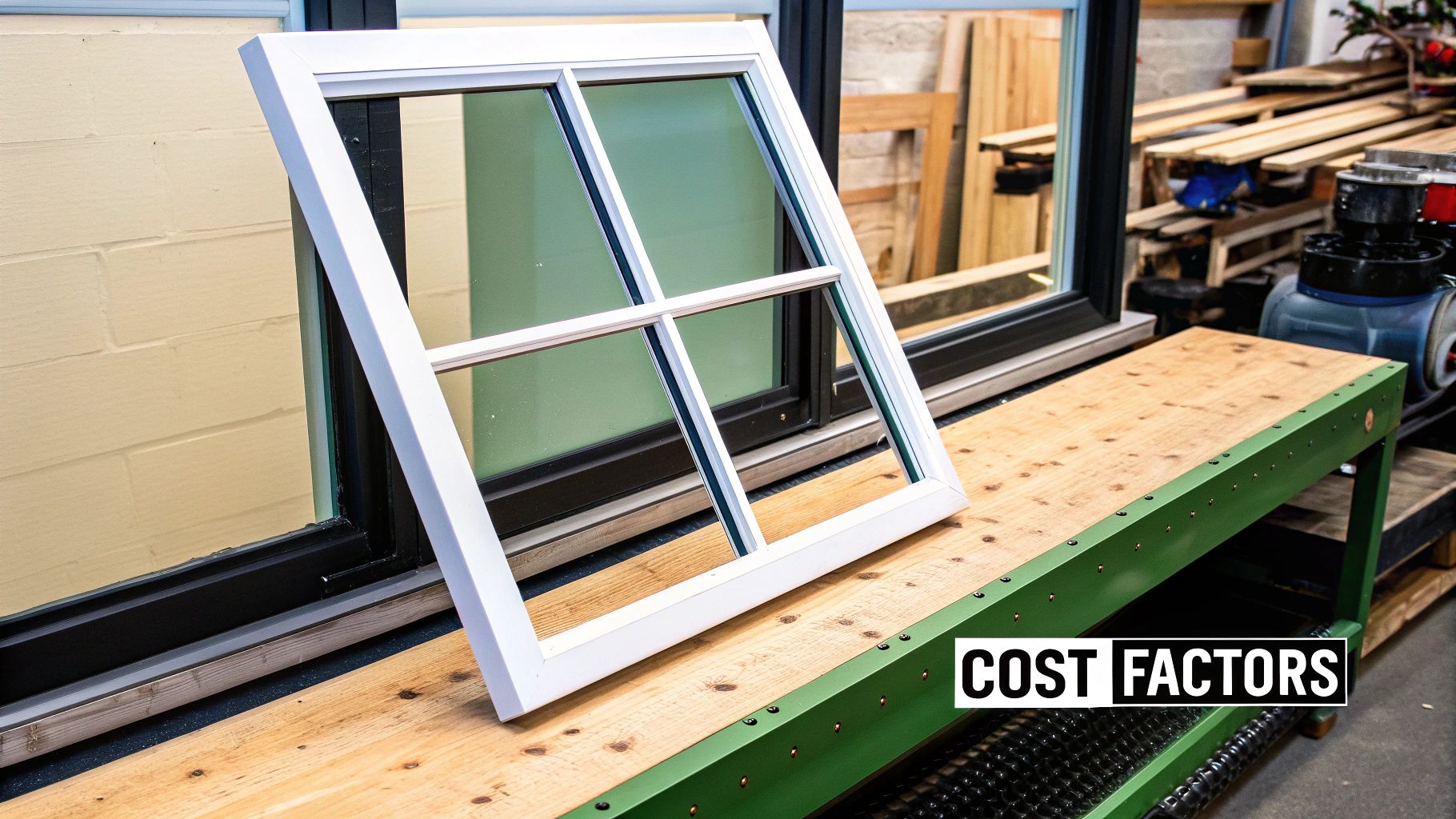
Think of it like buying tires for your car. A basic, no-frills tire gets the job done and is easy on the wallet. But if you want a high-performance, all-weather model, you're going to pay a premium. Window screens are exactly the same.
A standard fiberglass screen for a small bathroom window will be on the low end of the cost spectrum. On the other hand, if you need a heavy-duty, pet-resistant screen for a large sliding glass door, the price will naturally climb. It’s a classic case of materials and labor.
The two biggest cost drivers are, without a doubt, the screen's dimensions and the mesh material. Bigger screens simply use more material and can take more time to install correctly, which pushes the price up.
For example, a small 18×18 inch screen might only set you back $30 to $210. But a larger 32×55 inch screen could easily run from $80 to $550. That shows just how much size alone can impact your final bill.
To help you get a better handle on potential costs, here’s a look at what you might expect to pay based on some common window sizes.
Estimated Cost to Rescreen Windows by Size
This table provides a solid baseline for budgeting your project, showing typical cost ranges for a single window based on its size category.
| Window Size Category | Typical Dimensions | Estimated Cost Range (Per Window) |
|---|---|---|
| Small | 18 x 18 inches | $30 – $210 |
| Medium | 28 x 30 inches | $40 – $240 |
| Large | 32 x 55 inches | $80 – $550 |
Keep in mind, these figures are just a starting point. The specific material you choose will also play a major role in the final quote. For a deeper dive into how these prices are determined, you can always check out detailed industry cost reports.
What Drives the Cost to Rescreen a Window?
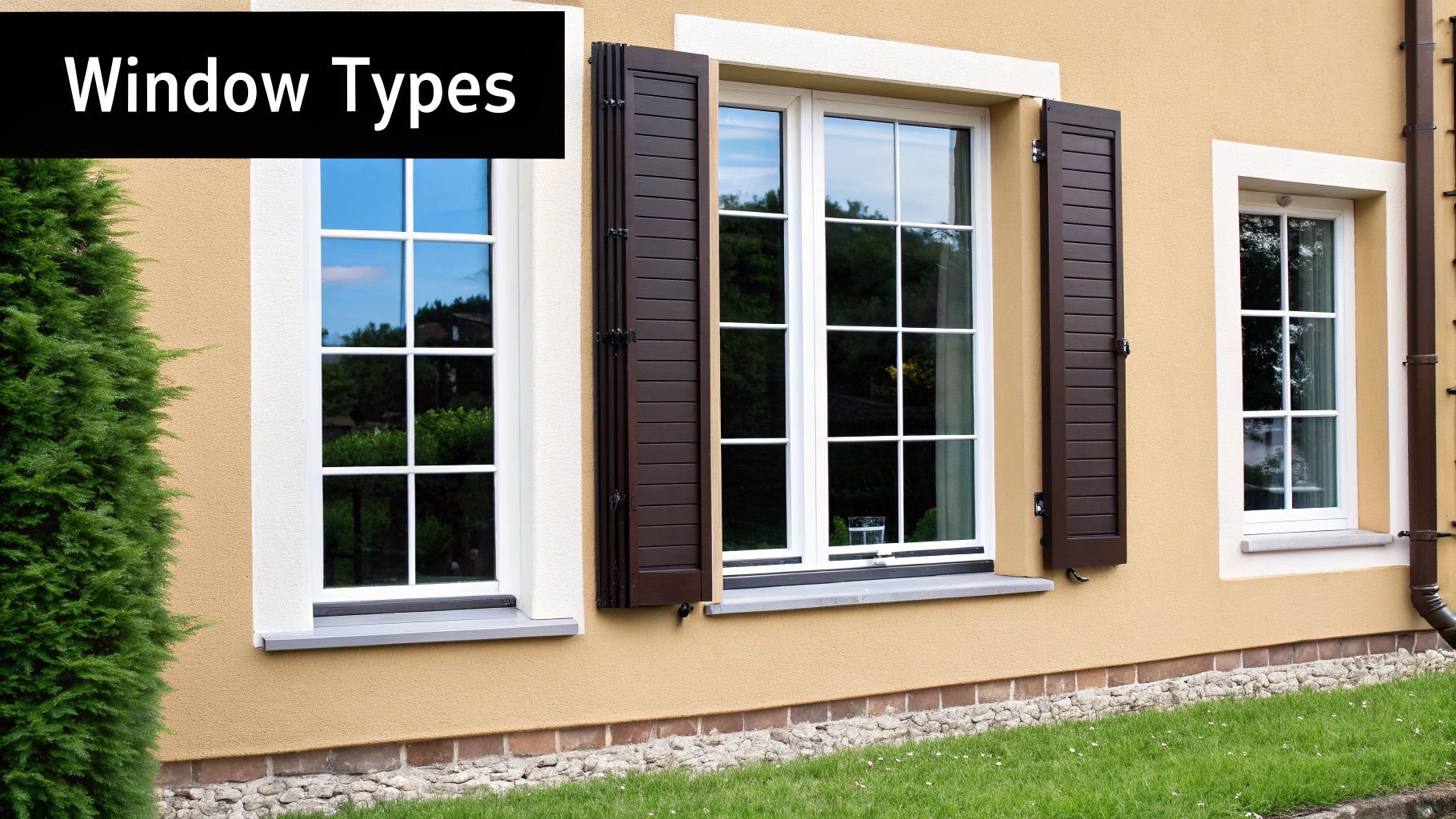
When you get a quote for rescreening, you’ll quickly notice that there’s no single, flat-rate price. The final number can swing quite a bit, and it’s all down to a few key variables. Knowing what these are helps you understand exactly what you're paying for.
Think of it like buying tires for your car. You can get the basic, all-season model, or you can opt for high-performance ones built for specific conditions. The biggest factor influencing your window rescreening cost is, you guessed it, the screen material itself.
Screen Material Makes a Huge Difference
The type of mesh you pick is the heart of the job, and it has the biggest impact on your final bill. Each material comes with its own trade-offs between price, durability, and special features.
Here’s a quick rundown of the most common choices:
- Fiberglass: This is your standard, go-to option. It's affordable, flexible, and doesn't dent or crease easily, which is why it's the most popular choice for homes.
- Aluminum: A solid step up. Aluminum mesh is tougher than fiberglass and less prone to sagging over the years. It also tends to offer a crisper, clearer view.
- Pet-Resistant Mesh: If you've got a furry friend who loves to climb or scratch, this stuff is a lifesaver. It’s a heavy-duty polyester mesh built to take a beating from claws and paws.
- Solar Screens: These are designed to do more than just keep bugs out. They block a significant amount of the sun's UV rays, which can help lower your cooling bills in the summer. That energy-saving benefit comes with a higher price tag.
The cost gap between these materials is pretty significant. A standard fiberglass rescreen might run you somewhere between $60 to $260 per window. But if you opt for a premium solar screen, that range could jump to $60 to $850.
The Bottom Line: Your choice of screen material is the single biggest factor in your budget. It's all about balancing what you want to spend upfront with what you need long-term, whether that's extra durability or energy efficiency.
Window Size and How Hard It Is to Reach
After you’ve picked your material, the next things that influence the price are the window's size and location. It's simple, really: bigger windows need more material and more time, so they cost more. A large picture window will always be more expensive to rescreen than a small one in the bathroom.
Accessibility is the other piece of the puzzle. A technician can quickly and easily work on a ground-floor window. But if the screen is on the second or third story, they’ll need ladders and extra safety gear. That extra time and effort will naturally be factored into the labor cost on your quote.
If you want to dive deeper into how these factors add up, our guide on window screen installation cost breaks it down even further.
DIY vs. Professional Window Rescreening: What’s the Best Choice for You?
When you’ve got a torn window screen, you’re at a crossroads. Do you dive in and tackle it yourself, or do you call in a pro? The right answer really comes down to a classic trade-off: your money versus your time, skill, and how perfect you want the final product to be.
Breaking Down the Costs
Going the DIY route is often the most budget-friendly option, at least on the surface. Your main costs are going to be materials and a couple of essential tools. You'll need to buy a roll of screen mesh, some new spline (the rubber cord that holds the screen in the frame), and a spline roller. That little roller tool is a lifesaver and usually costs less than $10.
All in, you could be looking at a total material cost of just $15 to $40 for a single, standard-sized window. Not bad at all.
On the other hand, hiring a professional service brings convenience and a quality guarantee. You can expect to pay a labor fee of anywhere from $20 to $50 per screen, plus the cost of materials. What you're really paying for is their experience, their specialized equipment, and the time you get back. They know how to get that screen perfectly taut and wrinkle-free—a skill that can be surprisingly tough for a first-timer to master.
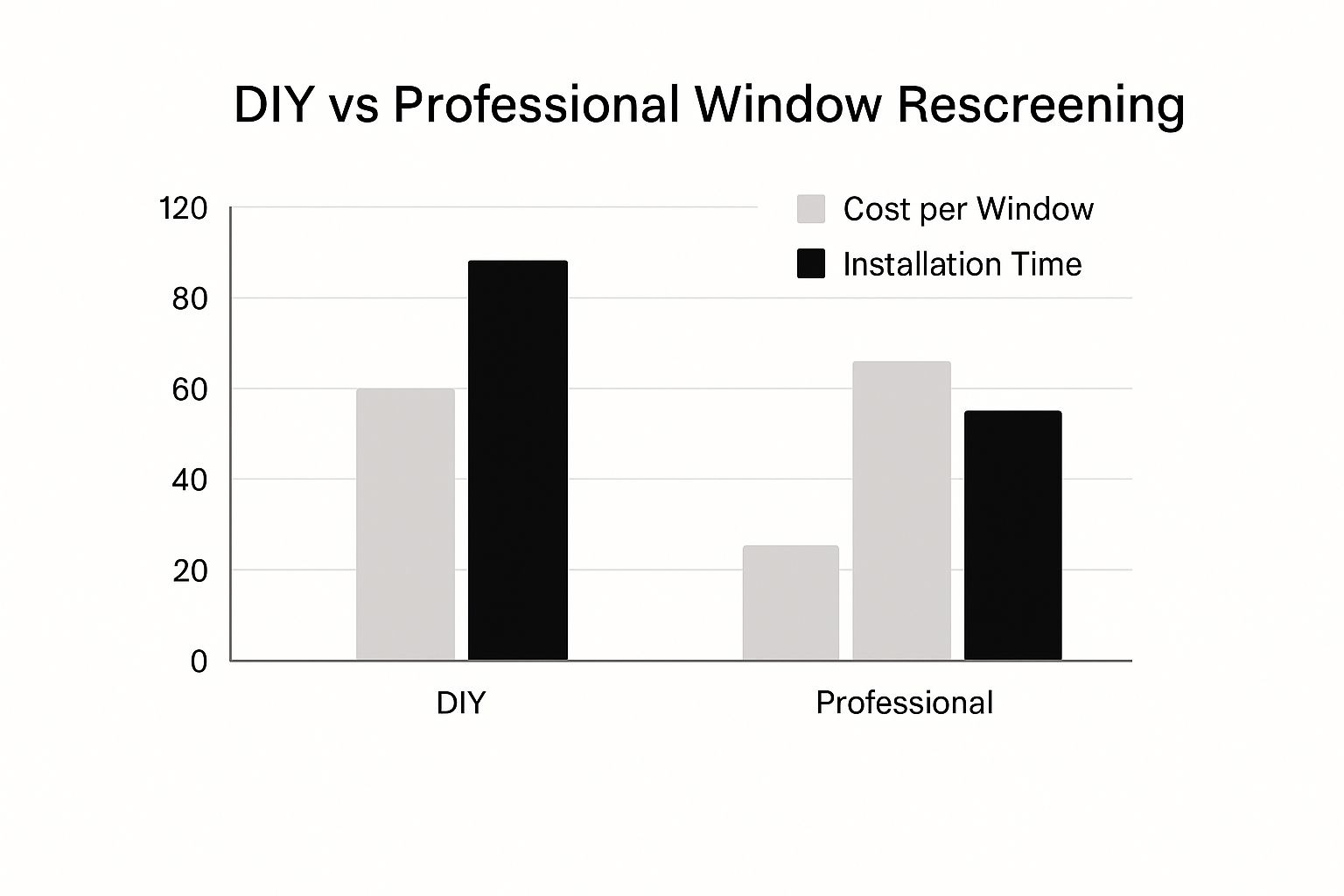
The Real Trade-Off: Time vs. Money
The decision isn't just about the initial cash outlay. It's about how you value your own time. A seasoned pro can knock out several screens in just an hour or two. For a beginner, that same job could easily eat up an entire afternoon of frustration.
Ultimately, choosing the right path is a personal calculation. If you're only rescreening one or two windows and you don't mind a hands-on project, DIY is a fantastic, cost-effective choice. But if you're looking at a whole-house job or you just want a flawless, long-lasting result without the headache, hiring a professional is an investment that pays for itself.
To help you decide, let's look at a side-by-side comparison.
DIY vs Professional Window Rescreening A Comparison
This table lays out the key differences to help you figure out which approach fits your situation best.
| Factor | DIY Rescreening | Professional Service |
|---|---|---|
| Upfront Cost | Lower ($15-$40 per screen for materials). | Higher ($20-$50 labor + materials). |
| Time Investment | High. Can take several hours for beginners. | Low. A pro can finish the job in a fraction of the time. |
| Skill Required | Moderate. It takes practice to avoid wrinkles and tears. | None. You're paying for their expertise. |
| Tools Needed | You must purchase or borrow tools (e.g., spline roller). | The professional brings all necessary specialized tools. |
| Quality of Finish | Varies. Can be difficult to achieve a taut, professional look. | Guaranteed professional, tight, and wrinkle-free finish. |
| Best For | Small jobs (1-2 screens), budget-conscious homeowners, and those who enjoy hands-on projects. | Large projects, busy homeowners, or those who prioritize a perfect, long-lasting result. |
In the end, it’s all about what you prioritize. A DIY project can be rewarding and save you a few bucks, but the ease and guaranteed quality of a professional job are often worth the extra cost, especially for bigger projects.
How to Budget for a Full House Screen Replacement
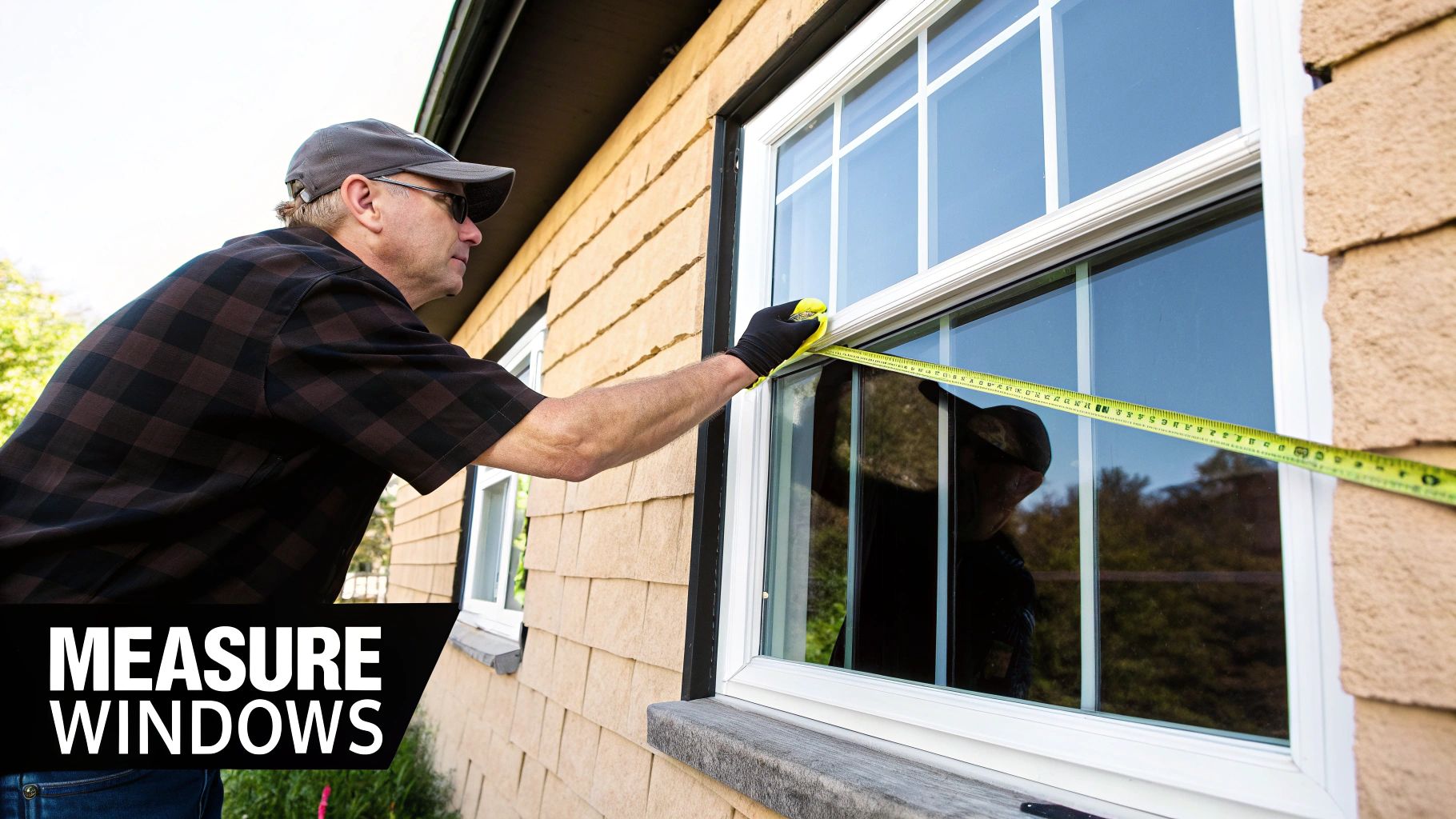
Replacing a single torn screen is a straightforward fix, but outfitting your entire home with new screens is a whole different ballgame. The good news? This is where economies of scale can really save you some money.
Think of it like buying in bulk at the grocery store. Contractors often give you a better price per window when you hire them for a larger project. Why? Because their initial setup costs—like travel time and preparing their tools—get spread out over many windows instead of just one. They work more efficiently, and you get to see some of those savings.
So, what does this actually look like when you sit down to create a budget? The total cost to rescreen windows for a whole house depends heavily on how many you have and the type of screen material you pick.
Estimated Costs for a Complete Home Rescreening
For a typical home, you can expect a full replacement to run anywhere from $1,550 to $7,750. That’s a wide range, but it accounts for the big differences in home sizes and the quality of materials.
Let's break it down with a couple of examples:
- A smaller home with 5-6 windows: You’re likely looking at a total cost between $1,550 and $1,860.
- A larger home with 23-25 windows: The price could climb to somewhere between $7,130 and $7,750.
These figures give you a much more realistic financial picture than just multiplying a single-window price. If you want to dive deeper into how these costs are calculated, This Old House offers some great insights on home improvement project pricing.
Ultimately, the best way to nail down your project total is to get a few detailed quotes from local professionals. A thorough estimate is your best tool for understanding the full window screen replacement cost and making sure there are no hidden surprises along the way.
Rescreening vs. Full Window Replacement
So, you've got a problem with your window. The big question is, are we talking about a simple fix or a major overhaul? Figuring out whether you need to rescreen or replace the entire window is one of the most important calls you can make for your home and your wallet.
Think of it like this: rescreening is just like getting a new tread on a perfectly good tire. The main structure—the tire itself (or in this case, the window frame)—is still solid. You're just replacing the part that’s worn out, which is the screen mesh. This is exactly what you need for everyday problems like holes, rips, or tears.
A full window replacement, on the other hand, is a different beast entirely. That’s like having to replace the entire wheel, rim and all. You only go this route when the fundamental structure of the window is shot.
When to Rescreen and When to Replace
Knowing what to look for is the key to making the right choice and avoiding a much bigger bill than necessary. It really just comes down to a quick inspection.
- Choose Rescreening for: Simple damage to the mesh itself. This includes rips, tears, holes, or even just faded and brittle screen material that's seen too many sunny days. As long as the frame is in good shape, rescreening is your best bet.
- Choose Replacement for: Problems with the window unit as a whole. If you see a warped, bent, or cracked frame, it’s time to replace it. The same goes for foggy glass (a sure sign of a broken seal) or a window that’s a real struggle to open or close.
Getting this diagnosis right is huge, mainly because of the price tag. Rescreening is a targeted, affordable repair. A full replacement is a major project that costs a whole lot more.
The financial difference is staggering. The cost to rescreen windows is just a tiny fraction of a full replacement. You might spend around $310 to $320 per screen for a professional rescreening job. A full window replacement project, however, has an average cost of $7,357. You can dig into these window replacement cost breakdowns to get a clearer idea of the investment involved.
If you want to see exactly what goes into a rescreening job, our guide on rescreening a window screen walks you through the entire process.
Got Questions About Window Rescreening? We've Got Answers
Even when you have a good handle on the potential costs, a few common questions always seem to come up before pulling the trigger on a rescreening project. Let's tackle some of the most frequent ones so you can feel confident in your plan.
How Often Should I Replace My Window Screens?
You won't find a hard-and-fast expiration date on window screens, but a good rule of thumb is to give them a thorough check-up once a year. With a little care, a quality screen can easily last 10-15 years, sometimes even longer.
Of course, real-world conditions play a huge role. Screens baking in direct sunlight or getting hammered by coastal weather won't last as long. A standard fiberglass screen, for example, might get brittle after just 5-7 years in a really sunny spot, whereas a sturdier aluminum or pet-resistant screen will hold up much better.
Can I Get Away With Just Patching a Small Hole?
Absolutely. For a tiny tear or a small puncture, a simple patch kit from the hardware store is a fantastic, budget-friendly fix. It's the perfect stopgap measure to keep the bugs out without replacing the whole screen.
Just remember, a patch is usually pretty noticeable. If you have a larger hole, several damaged spots, or the screen is just old and faded, a full rescreening is the way to go. It’s the only way to get that clean, like-new look back.
Key Takeaway: Patching is great for small, isolated damage. But for older, brittle screens or more widespread issues, replacing the mesh entirely is the better long-term investment in both function and curb appeal.
Does the Window Frame Material Change the Price?
Not usually. Whether your window frames are vinyl, wood, or aluminum, the actual process of rescreening them is pretty much the same. A pro will pop out the old spline, remove the torn screen, and stretch a new piece of mesh into the frame.
The only time the frame material really becomes a factor is if the frame itself is in bad shape. A rotted wooden frame, for instance, will need to be repaired before a new screen can be installed securely, and that repair work will add to your final bill.
When you want the job done right without the headache, trust the pros at Sparkle Tech Screen Service. We deliver quick, no-obligation quotes and can often provide same-week service for all your screen repairs. Get your windows back in perfect shape by visiting us at https://sparkletechscreenservice.com.


