


If your home feels more like a greenhouse than a comfortable retreat thanks to intense sunlight, you’ve come to the right place. The most effective fix is often installing window screens that block sunlight. These aren't your standard bug screens; they're solar screens specifically engineered to stop heat and UV rays before they even touch your window glass. It's a straightforward upgrade that results in a cooler home, smaller energy bills, and protection for your furniture and floors.
Finding the Right Screen to Beat the Heat
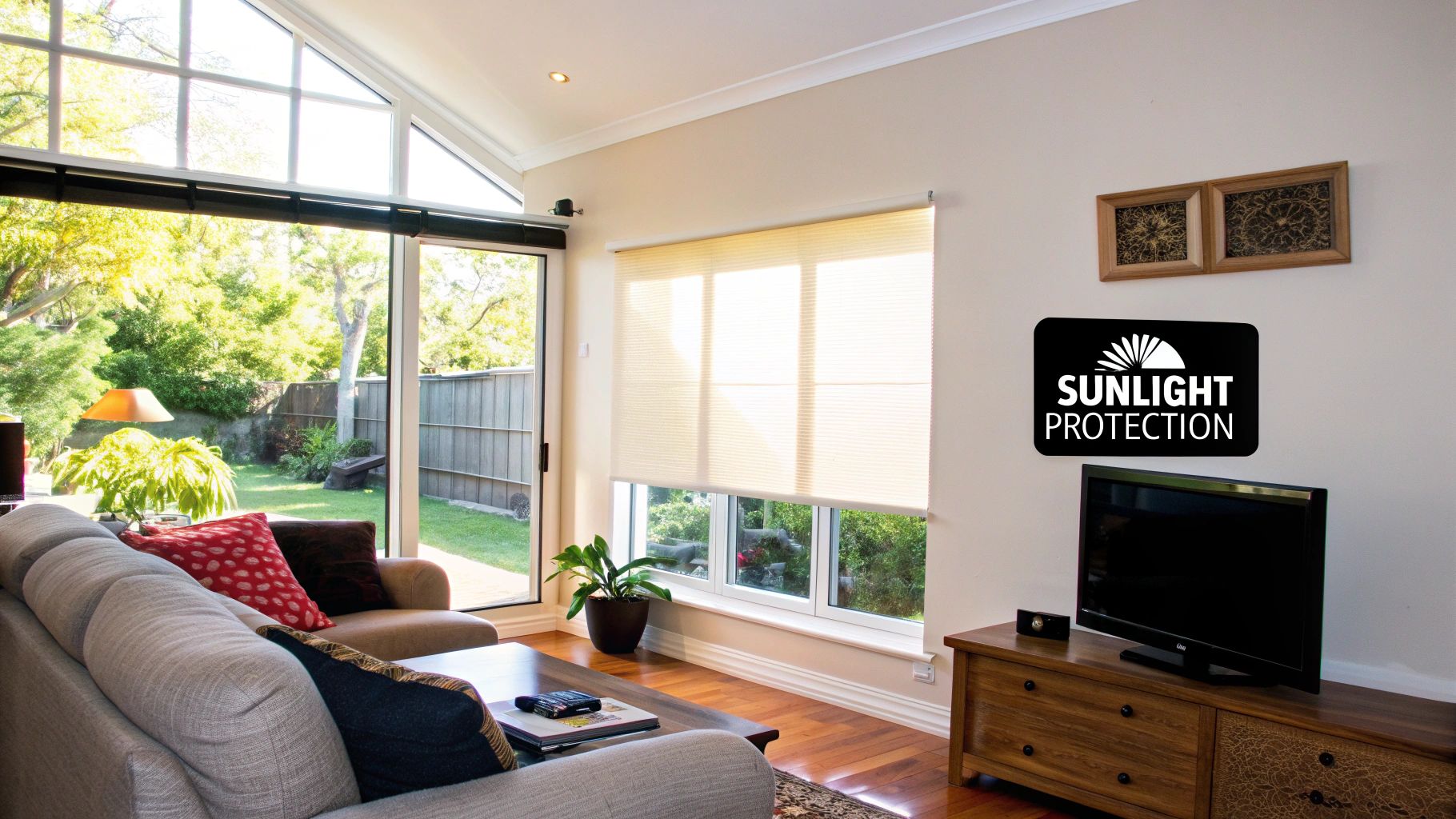
When the afternoon sun turns your living room into a sweltering hotbox, it’s a clear sign your current window screens just aren’t cutting it. Standard screens are designed to keep insects out, and that's about it. They do next to nothing to fight off solar heat gain. This is exactly where specialized solar screens come in and make a massive difference.
These high-performance screens are built with a much tighter weave using materials designed to absorb and deflect a huge chunk of the sun's thermal energy. Instead of that heat penetrating your windows and radiating inside, the solar screen acts as a protective shield on the outside of your home.
Immediate Benefits You'll Notice
The change is almost instant. Rooms that used to be unbearable during peak sun hours suddenly become comfortable spaces you can actually enjoy. But it's not just about comfort; the results are practical and measurable.
- Serious Glare Reduction: You can finally watch TV or work on a laptop without that frustrating, blinding glare.
- Lower Energy Bills: Your air conditioner gets a much-needed break. It won't have to run constantly to keep the house cool, which you'll see reflected in your monthly utility costs.
- UV Protection: These screens block up to 90% of damaging UV rays, which is crucial for protecting your hardwood floors, furniture, and artwork from fading over time.
This push for smarter, energy-saving home solutions is a huge driver in the home improvement market. In fact, the global window coverings market was valued at around USD 34.50 billion in 2023 and is only expected to grow as more people discover these benefits.
Let's quickly summarize the key advantages you can expect.
Quick Comparison of Sunlight Blocking Screen Benefits
| Benefit | Impact on Your Home |
|---|---|
| Cooler Interior | Significantly reduces solar heat gain, making rooms more comfortable. |
| Energy Savings | Eases the load on your AC unit, leading to lower electricity bills. |
| Glare Control | Softens harsh sunlight, improving visibility for screens and daily activities. |
| UV Ray Blockage | Protects furniture, floors, and decor from long-term sun damage and fading. |
| Enhanced Privacy | Increases daytime privacy by making it harder to see into your home from the outside. |
Ultimately, what you're doing is creating a more livable and efficient home environment.
For any homeowner, the logic is simple: preventing heat from getting into your house in the first place is far more effective and cheaper than paying to pump it out with air conditioning.
Choosing the right screen is key to creating a more cost-effective and enjoyable space. If you're ready to explore specific options, our detailed comparison of the best solar screens for windows is the perfect next step. It breaks down the top choices to help you find the perfect match for your home.
Understanding Screen Materials and Weave Density
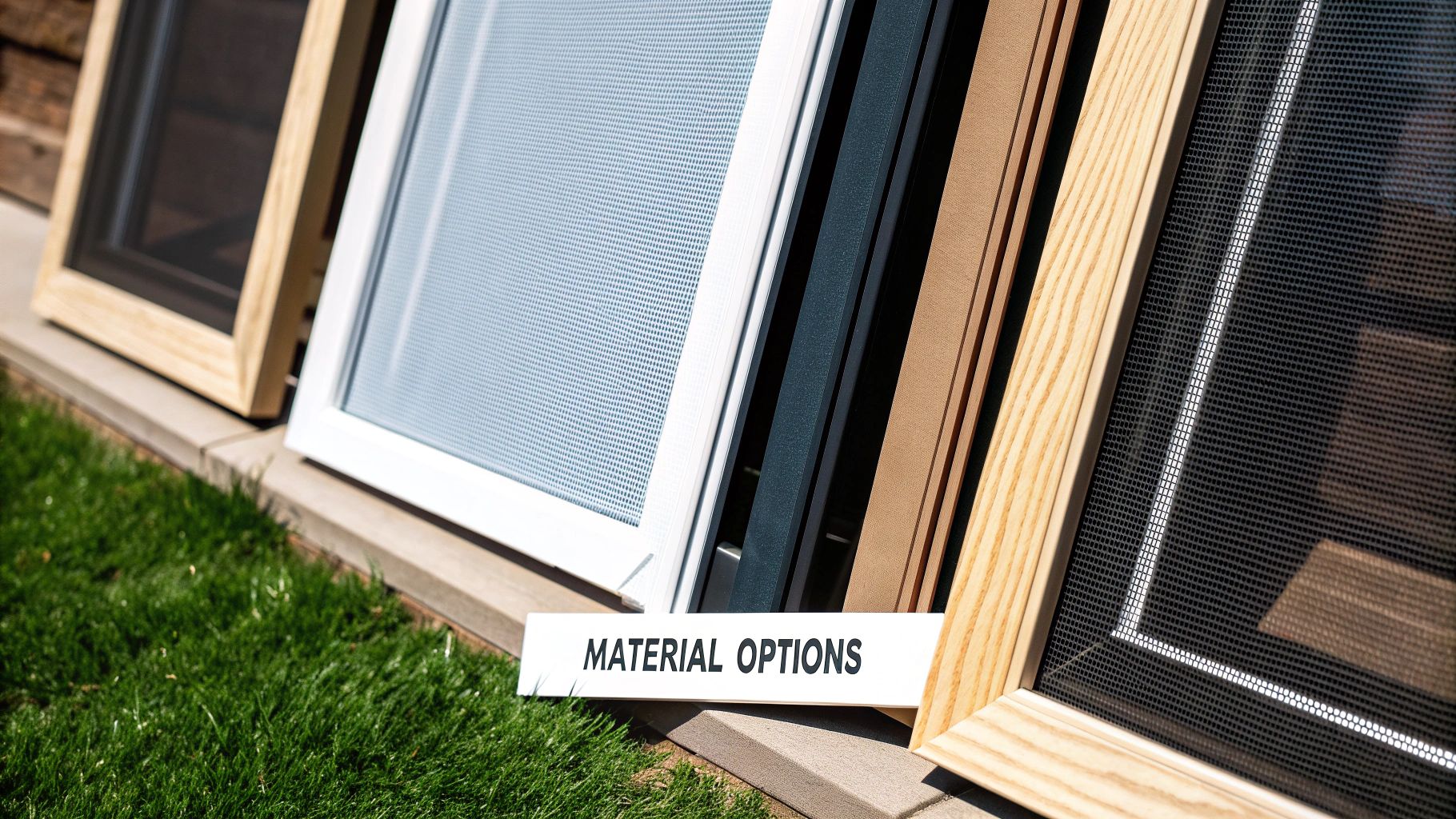
The real magic behind a sunlight-blocking window screen is in its DNA. It really all boils down to two things: what the mesh is made of and how tightly it's woven. These two factors are what determine how much heat and glare get stopped dead in their tracks before they even hit your glass.
You'll mostly find screens made from fiberglass or a heavy-duty, PVC-coated polyester. While you might see some classic aluminum out there, these advanced composite materials are the go-to for modern solar screens because of their incredible durability and weather resistance. It’s a booming market, too, projected to hit USD 2.8 billion by 2030.
What Do the Blockage Percentages Mean?
When you start looking at solar screens, you'll see numbers like 80%, 90%, or even 95%. This isn't just marketing jargon; it's the percentage of the sun's heat and UV rays the screen actually blocks. Picking the right one is all about what you need for a specific room.
-
80% Blockage: This is a great starting point and a fantastic all-around option. I recommend it for spaces like living rooms and kitchens where you want to cut down on heat but still enjoy plenty of natural light.
-
90-95% Blockage: These are the heavy hitters. You’ll want to use these on windows that get absolutely baked by the sun—think of a west-facing bedroom in the afternoon or a home office where glare on your computer screen is a major problem. They provide maximum heat blocking but will definitely make the room darker.
My Pro Tip: It might seem counterintuitive, but a darker mesh (like charcoal or black) actually gives you a clearer view outside. Why? Because it absorbs light and cuts the most glare. Lighter-colored screens are a bit better at reflecting heat away, but they can sometimes diffuse the light and make the view feel a little hazy.
Finding the right material is a balancing act between durability, how well it performs, and how it looks on your home. While fiberglass is a solid, common choice, those polyester blends are often the top performers for solar protection.
For a much deeper look at the pros and cons, our guide to the best window screen material breaks down how each one compares. Getting this choice right will define how happy you are with your new screens for years.
How to Measure Your Windows for a Perfect Fit
Getting your window measurements right is the most critical step. I've seen it countless times: a screen that's off by even a quarter-inch can be a nightmare to install, if it fits at all. To make sure the window screens that block sunlight you order fit perfectly, you need to be precise. The good news is, you don't need to be a pro to get it right.
Here's the single most important piece of advice from every installer I've ever worked with: measure everything at least twice. Window frames, particularly in older homes, are almost never perfectly square. They might look it, but they're not.
Always measure the width in three spots: at the top, middle, and bottom of the window opening. Then do the same for the height—get a measurement on the left side, in the center, and on the right side.
Finding the Screen Channel
Your tape measure needs to sit right inside the screen channel. This is the small groove, usually about 1/16 to 1/8 inch deep, that runs along the inside of your window frame. It's designed specifically to hold the screen.
- For single-hung or sliding windows: To get your width, measure from the inside of the channel on the left to the inside of the channel on the right.
- For the height: You'll want to measure from the bottom edge of the channel at the top down to the top edge of the channel at the bottom.
The golden rule here is to use the smallest of your three width measurements and the smallest of your three height measurements. This simple trick guarantees your screen will slide into even the tightest part of the frame without a struggle.
Once you have those final numbers, subtract 1/8 inch from both the height and the width. This tiny adjustment is the secret to a professional fit. It gives the screen just enough play to let the tension springs do their job, making it easy to pop in and out.
This simple visual guide walks you through the key steps.
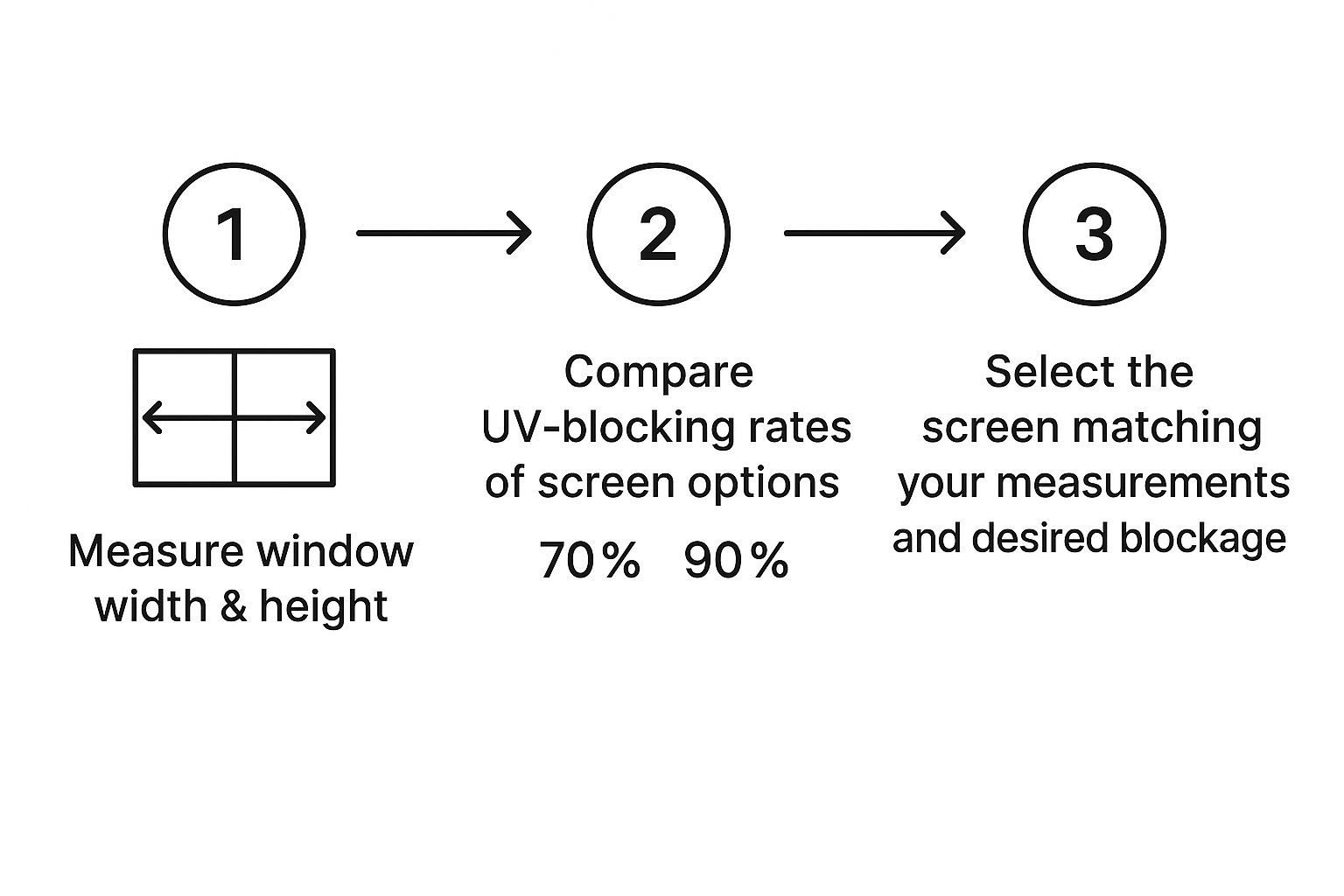
As you can see, starting with accurate measurements is the foundation for everything else, from picking the right material to enjoying a cooler, more comfortable home.
Installing Your New Screens Without the Headache
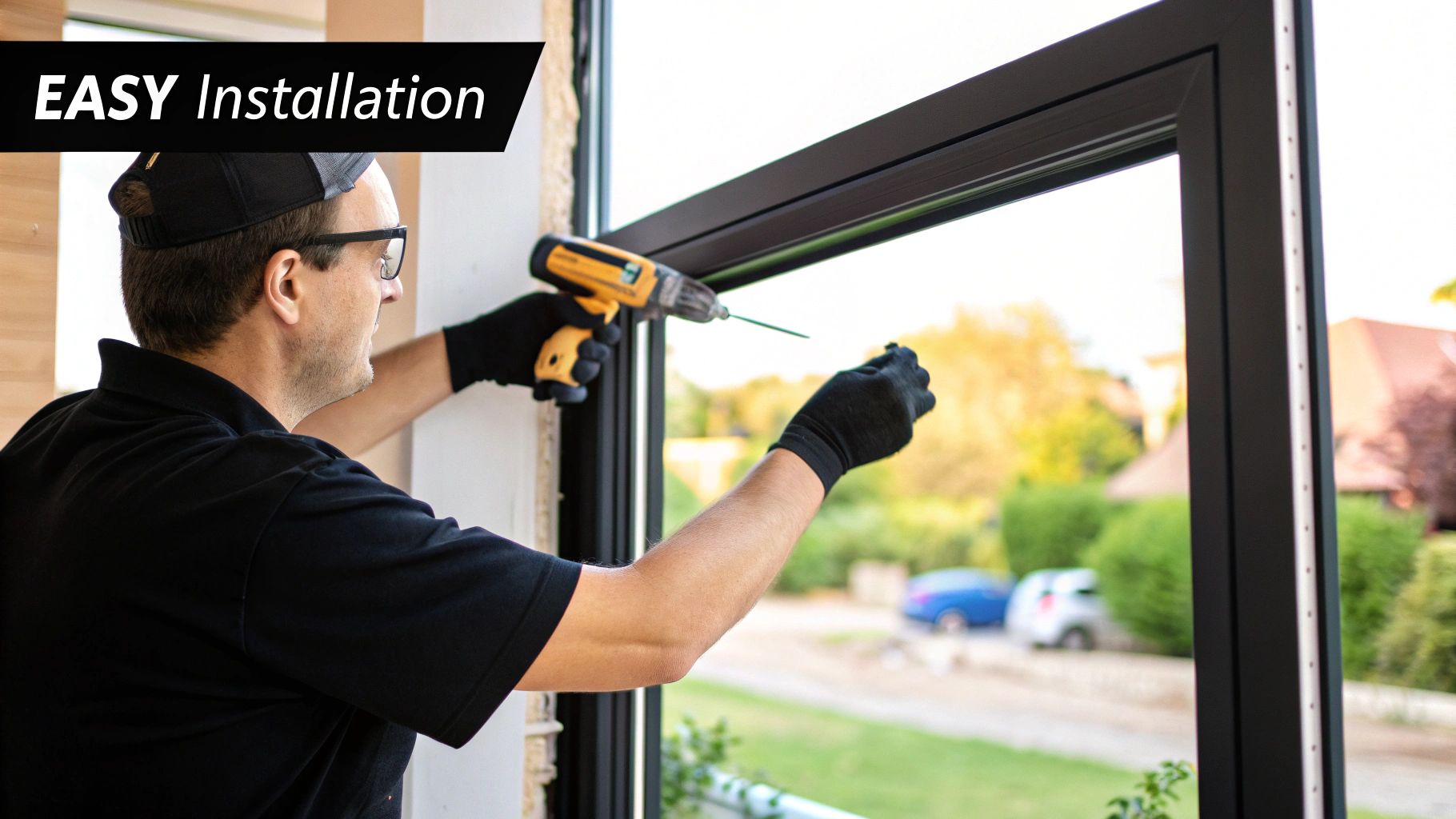
Your custom window screens that block sunlight have arrived, and you're on the home stretch. Don't let the idea of installation intimidate you. Honestly, it's usually a simple job you can knock out in under an hour with just a couple of basic tools from your junk drawer.
Before you jump in, grab what you'll need. A flathead screwdriver or even a putty knife typically works perfectly for pressing the screen into place. It’s also a good idea to give the window frame and screen channels a quick wipe-down. Getting rid of any hidden dirt or old debris is crucial for a smooth, frustration-free fit.
Most modern screens are designed for easy, pop-in placement. You'll likely see tension springs on one or two sides of the screen frame. These little metal clips are the key—they compress when you push the screen into the window channel and then expand to lock it securely in place.
The Installation Process
Here’s the trick I’ve learned over the years: always start with the side opposite the tension springs. Angle the screen and slide that non-spring side firmly into the window channel first. Once that side is seated, you can deal with the spring side.
Now, apply gentle but firm pressure on the frame toward the springs. You'll feel them give way. As they compress, guide that side of the frame into its channel. You should hear a satisfying little click as it pops into place. If it needs a little encouragement, you can use the tip of your screwdriver to gently push on the frame itself.
A few things to look for:
- Tension Springs: These are your small, often leaf-shaped metal clips. This is the side you install last.
- Pull Tabs: Those little vinyl tabs aren't just for show; they give you something to grip during installation and removal.
- A Snug Fit: A well-measured screen should be snug, but you shouldn't have to wrestle it into submission.
If a screen feels way too tight, stop. Don't force it. Take a moment to double-check your measurements and run your finger along the frame channel to feel for any obstructions. It's amazing how a tiny bit of grit can throw the whole thing off.
What you're left with isn't just a new screen; it's a serious upgrade to your home's comfort and efficiency. Screens with modern plastic coatings are especially good at this, sometimes reducing cooling energy use by 10% to 30% depending on your climate. If you're curious about the tech, you can read more about the impact of these screen coatings on datainsightsmarket.com.
How to Keep Your Screens Looking and Working Like New
You’ve invested in high-quality window screens that block sunlight, and a little upkeep will go a long way in making sure they last. Keeping them clean isn't just about looks; it ensures they're doing their best job of blocking heat and glare year after year.
The good news is, you don't need any fancy cleaners or power tools. For the usual culprits like dust, pollen, and light grime, a bucket of warm water with a few drops of mild dish soap is perfect. It's strong enough to clean effectively without damaging the screen's delicate mesh or protective coating.
A Simple Cleaning Routine
First, you'll want to carefully pop the screens out of the windows. Find a soft spot to work, like a grassy area in your yard or an old blanket laid out on the driveway. Just try to avoid leaning them against rough surfaces like brick or concrete that could snag the mesh.
- Scrub Gently: Using a soft-bristled brush, lightly scrub both sides of the screen with your soapy water. This will dislodge any built-up gunk.
- Rinse Well: Grab your garden hose and, using a low-pressure setting, rinse all the soap and dirt away. Be careful not to use a high-pressure jet, as it can easily stretch or tear the screen material.
- Let Them Air Dry: Stand the screens up and let them air dry completely before putting them back in. This simple step prevents moisture from getting trapped in your window frames.
While you’re cleaning, take a moment to give each screen a quick once-over. Check the frames for any signs of bending and inspect the mesh for any small rips or holes. Finding these things early makes for a much easier fix.
Just doing this quick clean and inspection once or twice a year is all it takes. It’s a small bit of effort that protects your investment and keeps your home comfortable and energy-efficient.
Answering Your Top Questions About Solar Screens
It's smart to have questions. After all, choosing the right window screens that block sunlight is a big deal for your home's comfort and energy bills. Let's walk through some of the most common things homeowners ask us before they decide.
We've been doing this for a long time, and we've heard it all. Here are the straight-up answers to help you feel completely confident about your choice.
Will Sunlight Blocking Screens Make My House Too Dark?
This is the number one question we get, and for good reason! The honest answer is: it all depends on the screen you pick. You're in complete control of the balance between natural light and heat reduction.
Think of it this way:
- For living rooms, kitchens, or any space you want to keep bright and airy: An 80% to 85% screen is usually the sweet spot. It cuts that harsh glare and a ton of heat but still lets in plenty of soft, usable light.
- For bedrooms or a home office where heat is a major problem: A 90% to 95% screen is your workhorse. It will definitely make a room dimmer, but the trade-off is maximum heat blocking. It's perfect for west-facing rooms that feel like an oven in the afternoon or for eliminating that annoying glare on your computer screen.
Can I Still See Out of My Windows?
Absolutely. In fact, many people are surprised to find their view actually improves. By cutting down the intense glare from the sun, the world outside often looks sharper and more vibrant.
An important tip: From our experience, darker screen colors like black or charcoal provide the clearest view from the inside looking out. They absorb more light, which means less reflection bouncing back at you.
Are Solar Screens and Privacy Screens the Same Thing?
Not exactly, though they do help. During the day, solar screens are fantastic for privacy. The darker screen combined with the bright outdoors makes it very tough for anyone to see into your home.
The tables turn at night, though. When it's dark outside and your lights are on inside, people can see in. If you need total privacy around the clock, you'll want to keep your blinds or curtains to use after sunset. To see how this works in more detail, you can check out the specifics on our sun block window screens and how they perform.
Do These Screens Help Keep Heat In During Winter?
They do, and it's a nice little bonus. While their main job is to block solar heat from getting in during the summer, they also create an extra insulating layer of air between the screen and your window glass.
This helps slow down how quickly heat escapes your home in the winter. It’s not their primary purpose, but this year-round efficiency makes them an even smarter investment, no matter the season.
Ready to create a cooler, more comfortable, and energy-efficient home? The team at Sparkle Tech Screen Service provides expert installation of new and repaired sun screens tailored to your home's unique needs. Get a quick quote and enjoy same-week service by visiting https://sparkletechscreenservice.com today.


