


When you hear "sun screen," you probably picture a bottle of lotion for a day at the beach. But for your home, a sun screen is something else entirely—a high-performance barrier for your windows and patio that provides serious protection, saves you money, and makes your home far more comfortable. Let's break down how these essential upgrades work and why they're such a smart move for any homeowner.
Why Your Home Needs the Right Sun Screen
Think of your windows as the eyes of your home. In sunny climates, those eyes are wide open to an onslaught of solar heat and damaging ultraviolet (UV) rays, especially during the brightest parts of the day. All that heat forces your air conditioner to work much harder just to keep up, sending your energy bills through the roof. At the same time, those UV rays act like a slow-motion bleach, fading everything inside.
A quality sun screen is like a high-tech pair of sunglasses for your house. It’s a specially designed material that stops the sun's energy before it can even hit the glass. By blocking a huge chunk of solar heat and UV radiation, these screens help maintain a cooler, more stable temperature indoors.
The Core Benefits of Sun Screen Installation
Putting the right screens on your home delivers real, immediate benefits that go way beyond just a bit of shade. Most homeowners notice a huge difference in their daily comfort and a very welcome drop in their monthly bills.
Here’s what you can expect:
- Lower Energy Bills: By blocking so much solar heat, sun screens take a massive load off your AC. This can slash your cooling costs, often by as much as 25-30%.
- Protection for Interiors: They stop up to 99% of harmful UV rays. That means your hardwood floors, carpets, furniture, and artwork are shielded from the fading and damage that happens over time.
- Enhanced Comfort and Privacy: Sun screens cut that annoying, harsh glare, making rooms more enjoyable without losing all the natural light. They also offer great daytime privacy—you can see out perfectly, but people can't easily see in.
A lot of people worry that solar screens will make their home feel dark, like a cave. The truth is, they're designed to manage light, not block it completely. Modern screens are engineered to preserve your view while creating a soft, ambient glow that’s easy on the eyes.
At the end of the day, picking the right sun screen is a strategic investment in your home. It makes it more efficient, protects your belongings, and simply makes it a more pleasant place to live. Whether it's a solar screen to fight intense heat or a patio screen to create a new outdoor living space, each type offers a unique solution. This guide will walk you through everything you need to know.
Decoding the Different Types of Sun Screens
Choosing the right screen for your home can feel overwhelming, but it’s actually pretty straightforward once you understand the basic types. Each one is built for a specific job. You wouldn't use a rain jacket on a sunny day, and you wouldn't use a heavy-duty solar screen when all you want is to keep the bugs out.
Let’s break it down. Think about what you're trying to achieve. Are you battling high energy bills? Tired of mosquitoes crashing your dinner? Or maybe you dream of turning your patio into a comfortable retreat. Pinpointing your main goal is the first step to finding the perfect match.
Solar Screens: The Sunglasses for Your Home
When it comes to blocking heat and UV rays, nothing beats a solar screen. Think of them as high-performance sunglasses for your windows. Their whole purpose is to stop the sun’s intense heat before it ever hits the glass, which makes a massive difference in keeping your home cool.
Made from a specially woven, heavy-duty material, these screens can block anywhere from 80% to 95% of the sun's heat. This dramatically eases the burden on your air conditioner, leading to some serious savings on your energy bills. Plus, they stop those damaging UV rays that fade your furniture, flooring, and artwork over time.
Even with all that blocking power, they’re designed so you can still see outside clearly. You get a cooler room, soft natural light without the harsh glare, and a nice dose of daytime privacy.
Just as sunscreen protects your skin from the sun's damaging rays, solar screens provide a critical layer of defense for your home's interior, preserving its value and comfort.
This is the same principle shown in the image below—a protective barrier is key.
The image illustrates how a protective layer shields skin from direct sun, much like how solar screens shield your windows and home interior from heat and UV damage.
Classic Bug Screens: Your Barrier Against Pests
While solar screens are all about the sun, the traditional bug screen has a much simpler—but no less important—job: let the fresh air in and keep the critters out. These are the classic screens most of us grew up with, perfect for letting a cool breeze flow through the house without inviting a swarm of mosquitoes along with it.
They are usually made from lightweight fiberglass or aluminum mesh with a more open weave. This design prioritizes airflow and a clear view over heat reduction. If your main goal is to enjoy a nice evening breeze without the buzz of insects, a standard bug screen is a simple, effective, and budget-friendly solution.
Patio Screens: Creating Outdoor Living Spaces
Finally, we have patio screens. These take the whole concept one step further by turning an open outdoor space into a protected, functional part of your home. By screening in a porch, patio, or gazebo, you can create a comfortable, bug-free zone for relaxing, eating, or entertaining.
A screened-in patio is essentially a brand-new room. It gives you protection from insects, blowing leaves, and even some of the sun's heat, depending on the material you pick. You can even use high-performance solar screen material for your enclosure to get the best of both worlds—a cool outdoor space that also helps shade the adjoining rooms. It’s a fantastic way to transform an underused patio into a versatile three-season room you can enjoy constantly.
To make it even clearer, here’s a quick side-by-side look at how these three screen types stack up.
Sun Screen Type Comparison
| Screen Type | Primary Function | Key Benefit | Best For |
|---|---|---|---|
| Solar Screen | Block solar heat and UV rays | Lower energy bills and prevent interior fading | Homes in hot, sunny climates looking to reduce cooling costs. |
| Bug Screen | Keep insects and pests out | Pest-free fresh air and natural ventilation | Any home where you want to open windows without letting bugs in. |
| Patio Screen | Enclose and protect outdoor areas | Expands your home's usable living space | Homeowners who want a comfortable, bug-free outdoor room. |
Each type has its place, and now you can see which one is the right tool for the job you have in mind.
Choosing the Right Materials and Weave
When you get down to it, the material and the way it’s woven are what really determine a sun screen's strength, lifespan, and how well it actually works. It's a lot like picking out a jacket. You wouldn't wear a light windbreaker in a blizzard, and you wouldn't wear a heavy parka on a breezy day. Sun screens are the same—each material offers a different balance of price, durability, and performance.
Getting this choice right is what turns a good investment into a great one. You need to match the screen’s strengths to your home's unique challenges, whether you’re fighting off the intense desert sun or just trying to keep the bugs out.
Comparing Popular Screen Materials
Two materials really lead the pack for residential screens: fiberglass and vinyl-coated polyester. From a distance, they might look pretty similar, but they couldn't be more different in how they hold up.
-
Fiberglass: This is the basic, budget-friendly stuff you see on most new construction. It’s light, flexible, and does a decent job of keeping bugs out without killing your view. The downside? It's not very tough. Over the years, sun and weather will make it brittle and easy to tear.
-
Vinyl-Coated Polyester: Now we're talking about a serious upgrade in durability. This material starts with strong polyester fibers and then coats them in a protective layer of vinyl. The result is an incredibly tough screen that resists tearing, stretching, and sun damage. It's the go-to for high-performance solar screens and can easily last 15-20 years if you take care of it.
If you want to go even deeper on material types, our guide on selecting the best window screen material has all the details.
What's the Deal with Weave and Openness?
So, you’ve picked a material. The next big thing to consider is the weave. The tightness of that weave is measured by its openness factor—a simple percentage that tells you how much light can peek through.
Think of it like two different t-shirts. One is made from a thin, loose-knit fabric you can almost see through. The other is a thick, tight-knit shirt that's totally solid. Sun screens work exactly the same way. A lower openness factor means a tighter weave, which blocks a lot more sun.
The openness factor is really the secret sauce. A screen with a 10% openness factor is blocking 90% of the sun's rays. That means maximum heat reduction and privacy. On the other hand, a screen with a 20% openness factor blocks 80% of the rays, giving you a clearer view and more natural light inside.
Understanding this trade-off between heat blockage and visibility is the key to choosing the right solar screen for any window.
Making the Right Choice for Your Climate
Your local weather has a huge say in what material and weave will work best. A screen that's perfect for a mild, overcast climate will be completely outmatched by the scorching Arizona sun.
-
For Hot, Sunny Climates: If you live in a place like Phoenix or Las Vegas, you need maximum defense. A vinyl-coated polyester solar screen with a very low openness factor—think 5% to 10%—is the way to go. This combo provides serious heat blockage, taking a huge load off your AC and protecting your furniture from fading.
-
For Mild or Temperate Climates: If your main goal is keeping bugs out while letting the breeze in, standard fiberglass is usually more than enough. If you want something a bit tougher without going full solar screen, a stronger polyester bug screen is a fantastic middle ground.
-
For High-Traffic or Pet-Friendly Areas: Got a dog that loves to scratch at the patio door? Or kids who might lean on the window screens? Durability is everything. Pet-resistant screens, which are basically a super-tough version of vinyl-coated polyester, are designed to handle claws and impacts without ripping.
In the end, it’s all about finding the right balance for your home. By thinking about your budget, climate, and what you’re trying to achieve, you can pick a sun screen that will do its job beautifully for years to come.
The Real-World Payoff of Installing Sun Screens
Putting up high-quality sun screens isn't just about adding a bit of shade. Think of it as a smart upgrade for your home's efficiency, the longevity of your belongings, and your family's comfort. The returns aren't abstract; they show up in your monthly bills and how you feel living in your space every day. These aren't just minor perks—they're significant improvements that make a real difference.
You'll start noticing the advantages almost immediately. Let's walk through the three biggest benefits that every homeowner should know about. Each one solves a common household headache, proving that a good sun screen is one of the most practical home improvements you can make.
Slash Your Energy Bills
One of the first things you'll notice after installing a solar sun screen is the drop in your energy usage. Your windows are like magnets for solar heat, especially if you live in a sunny area. All that heat gain forces your air conditioner to work overtime just to keep the house comfortable.
It’s like parking your car in a sunny lot—the inside gets hot, fast. Solar screens act as a barrier, blocking up to 90% of the sun’s heat before it even hits the glass. This takes a massive load off your AC unit, and the savings add up quickly. It's not uncommon for homeowners to see their cooling costs drop by as much as 30% in the summer.
This is about more than just saving a few bucks. It’s about making your home more energy-efficient and reducing the strain on your expensive HVAC system, which can help it last longer.
By keeping your home cooler naturally, these screens eventually pay for themselves. If you want to get into the nitty-gritty of how they work, you can learn more about exterior window sun screens and how they boost a home's efficiency.
Shield Your Interiors from UV Damage
That same sunlight that warms your home also carries damaging ultraviolet (UV) rays. Over time, that constant UV exposure acts like a slow-motion bleach, fading everything it touches inside your house.
A well-made sun screen is your best defense, blocking up to 99% of those harmful rays. This shield preserves the color and condition of your most valuable furnishings.
Think about what's at risk:
- Flooring: Hardwood, in particular, can get bleached and discolored in those sunny spots by the window.
- Furniture: Fabric on couches and chairs fades, while leather can dry out and crack.
- Artwork and Photos: Cherished paintings and family pictures can lose their vibrancy and detail.
- Rugs and Curtains: The sun is brutal on textiles, weakening the fibers and dulling the patterns.
By filtering out almost all UV radiation, sun screens act as a constant guardian for your home's interior. This protection helps maintain your home's value and saves you the cost and hassle of replacing faded or ruined items down the line.
Enhance Your Comfort and Privacy
Beyond the savings, installing a sun screen just makes your home a more pleasant place to be. That harsh, direct sunlight creates a ton of glare, which makes it tough to watch TV, use a computer, or even just read a book without squinting.
Solar screens take that harsh light and soften it into a comfortable, ambient glow. You get all the benefits of a naturally lit room without the eye strain. It creates a much more serene and usable space all day long.
At the same time, you get a huge boost in daytime privacy. From the inside, your view of the outside world is perfectly clear. But from the street, that dark mesh makes it incredibly difficult for anyone to see in. You can leave your blinds open to enjoy the view without feeling like you're on display. It’s that one-two punch of less glare and more privacy that really elevates your quality of life at home.
A Practical Guide to Installation and Maintenance
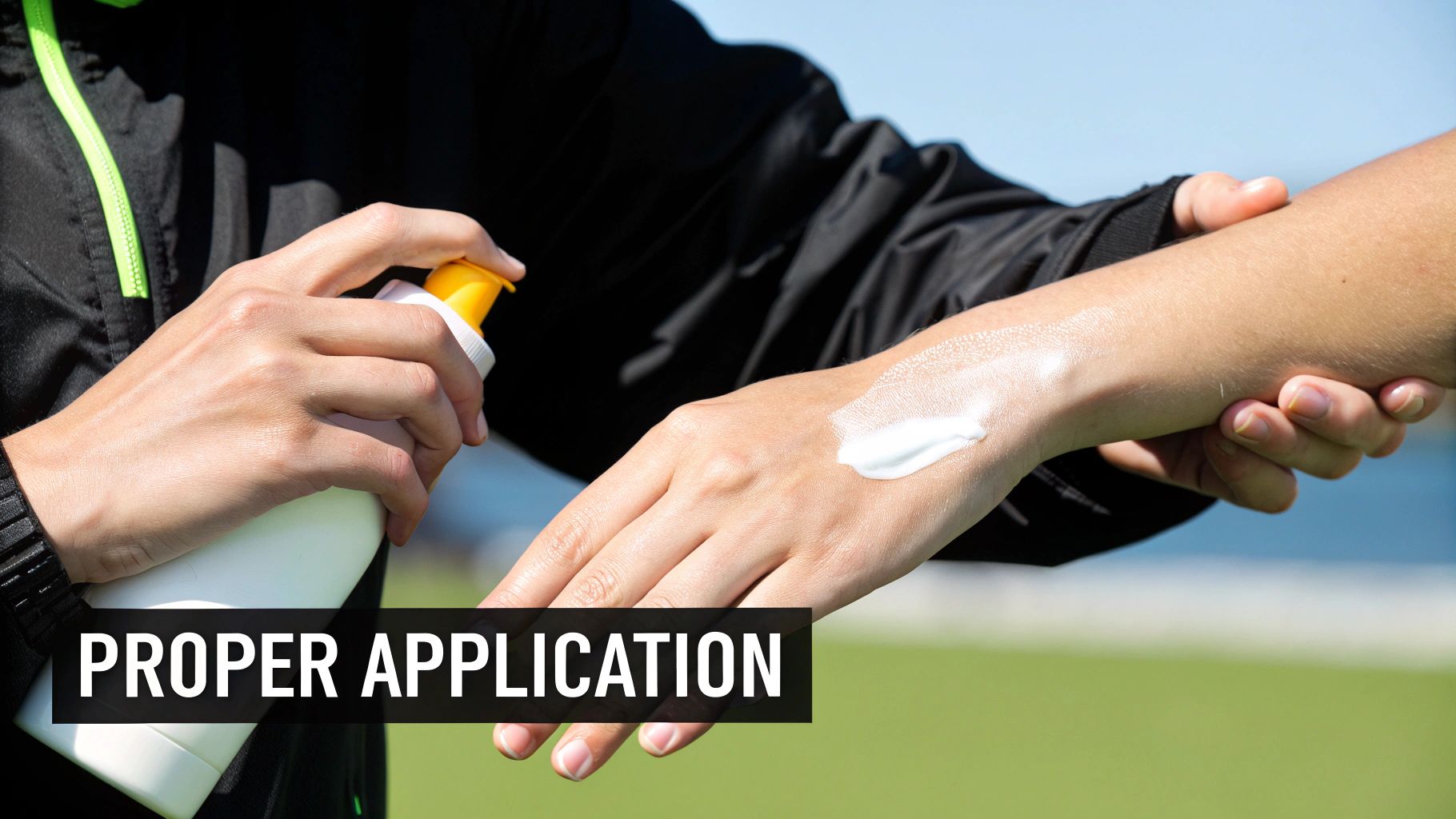
You’ve picked out the perfect sun screen for your home—great! Now comes the part that makes it all work: getting it installed correctly and knowing how to keep it looking good for years to come. Proper installation is the key to unlocking all those benefits we talked about, and a little bit of maintenance goes a long way in protecting your investment.
Don’t worry, it’s not as complicated as it might sound. Let's walk through everything from deciding whether to DIY or call a pro to handling those little fixes that pop up over time.
Installing Your New Sun Screen
When it comes to installation, you've got two main routes: tackling it yourself or hiring a professional. The best choice really boils down to the scope of your project and how comfortable you are with a few basic tools.
-
The DIY Approach: If you’re just doing a few standard, ground-floor windows, this is a totally doable weekend project. Most kits give you everything you need—the screen mesh, spline, and a handy little roller tool. You just measure and cut the screen, then use the tool to push the flexible spline into the frame's channel. It’s surprisingly satisfying when it all locks into place.
-
Hiring a Professional: Now, if you're dealing with second-story windows, huge patio doors, or enclosing an entire porch, this is where you call in the experts. It’s simply not worth the risk. A pro has the right ladders, scaffolding, and experience to get the job done safely. They also have the touch to get that perfectly taut, professional finish that’s so hard to achieve on your own.
A poorly installed sun screen can be just as ineffective as the wrong type of screen. Any gaps or sags can let in heat and pests, completely defeating the purpose. A secure, tight fit is non-negotiable.
For anyone ready to give it a go, our detailed guide on how to install screens breaks down every step. It’s a great resource to have open while you work.
Simple Repairs You Can Handle
Life happens. Even the toughest sun screen can get a small snag or tear. The good news is that you can fix most minor issues yourself in a few minutes, saving you the cost of a service call.
Here are a couple of quick fixes most homeowners can manage:
- Fixing Small Tears: For tiny holes in fiberglass or polyester screens, a drop of clear super glue or a simple screen repair patch kit works wonders. It seals the hole and stops it from getting bigger.
- Replacing the Spline: That rubbery cord holding the screen in the frame is called a spline. Over time, the sun can make it brittle. If you notice your screen popping out of the frame, you can just pull out the old, cracked spline and roll a new one in.
Checking your screens after a big storm or at the beginning of each season helps you catch these little things early before they turn into bigger problems.
Long-Term Maintenance for Lasting Performance
Keeping your sun screens in prime condition is surprisingly easy. The most important thing you can do is give them a simple, gentle cleaning every so often. Dust, pollen, and grime can build up in the mesh, which can block airflow and make your view hazy.
A quick wash once or twice a year is usually all it takes.
Your Basic Cleaning Routine
- Gentle Rinse: Lightly spray the screens with your garden hose. This knocks off all the loose stuff right away.
- Soapy Wash: Mix a bit of mild dish soap into a bucket of warm water. Using a soft-bristled brush or a microfiber cloth, gently scrub both sides of the screen.
- Thorough Rinse: Hose the screens down again, making sure to wash away every bit of soap residue.
- Air Dry: Let the screens air dry completely before popping them back into the window frames.
That’s it. A little effort in installation, repair, and maintenance ensures your sun screen investment pays off with years of comfort, savings, and protection.
Common Questions About Home Sun Screens
Even after digging into the types and materials, you've probably still got a few questions. That’s completely normal. Any time you're thinking about a meaningful upgrade for your home, you want to be sure you're making the right call.
Let's tackle some of the most common questions and concerns we hear from homeowners. We’ll get you the clear, straightforward answers you need to feel confident in your decision.
How Much Do Sun Screens Typically Cost?
This is the big one, right? The cost really depends on the material, the size of your windows, and whether you're tackling the job yourself or bringing in a pro.
For a standard window, a simple DIY bug screen is pretty budget-friendly—you're probably looking at $30 to $50. It's a great starting point for basic protection.
On the other hand, a professionally installed, high-performance solar screen for that same window is more of an investment, typically running between $85 and $150. For bigger projects, like enclosing an entire patio, the price will naturally be higher. My advice? Always get a few quotes. Think of it less as an expense and more as an investment that pays you back in lower energy bills.
Will Solar Screens Make My Rooms Too Dark?
I get this question all the time, and it's a valid concern. The good news is that modern solar screens are designed to cut harsh glare, not block out all the natural light.
Think of them like a good pair of sunglasses for your house. They filter out the blinding brightness but keep the view crisp and clear, filling your room with a soft, comfortable ambient light.
You still feel connected to the outdoors, just without the squinting and the heat. Most people are genuinely surprised by how much more usable their rooms become once the glare is gone. Plus, the "openness factor" you choose puts you in complete control of that light-to-shade balance.
What Is the Average Lifespan of a Sun Screen?
How long your screens will last comes down to two main things: the material they're made of and the climate you live in. The standard fiberglass screens you often see on new homes will usually give you 5 to 10 years before the sun makes them brittle.
But when you step up to higher-quality materials like vinyl-coated polyester—which is the go-to for most solar screens—you're looking at a much longer lifespan. With just a little bit of care, these tougher screens can easily last 15 to 20 years, and sometimes even longer. The best thing you can do to get the most out of them is simple: clean them regularly.
Can I Install Sun Screens Myself?
If you're comfortable with DIY projects, then absolutely! Installing screens on standard, ground-floor windows is a totally manageable weekend job. You can find DIY kits that come with everything you need. It's mostly a matter of measuring twice, cutting the mesh carefully, and using a spline tool to lock it into the frame.
However, once you start talking about second-story windows, huge patio doors, or custom enclosures, I strongly recommend calling in a professional. They have the proper safety gear and the experience to get that perfect, drum-tight fit that not only looks better but also performs better.
Ready to upgrade your home with the perfect sun screens? Contact Sparkle Tech Screen Service for quick quotes, same-week service, and professional installation that lasts. Visit us online at https://sparkletechscreenservice.com or text/call us today


